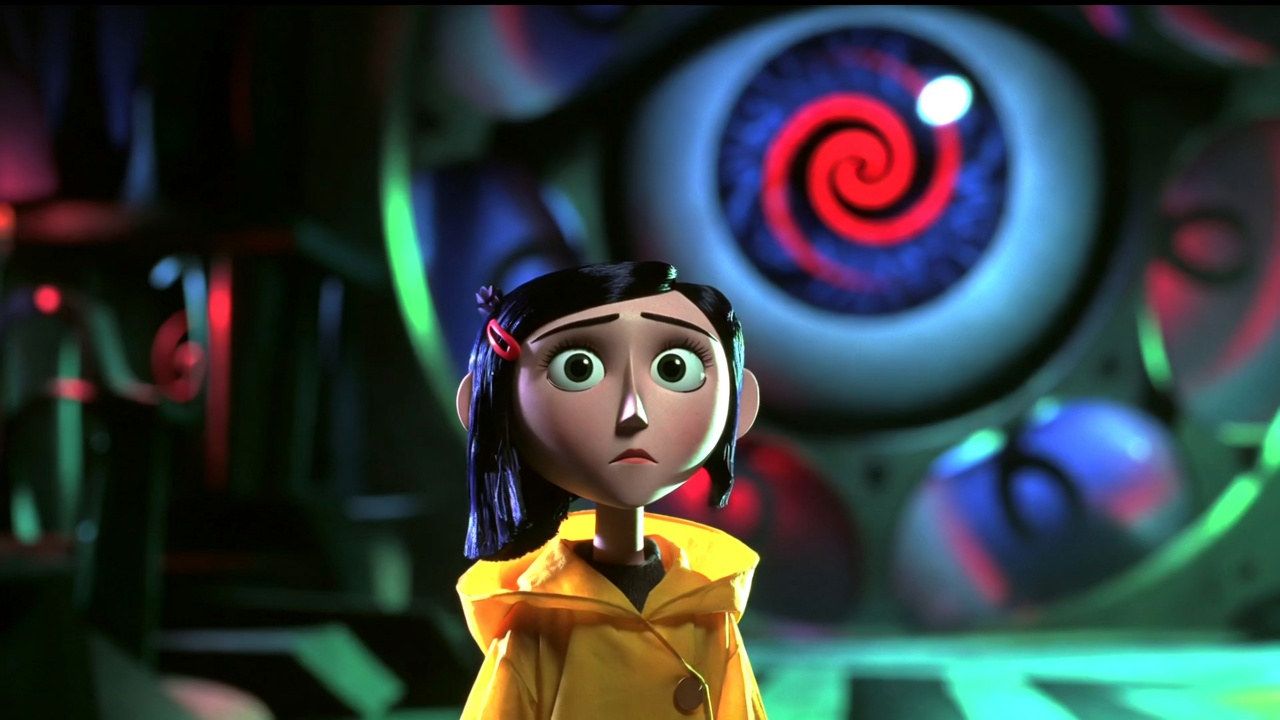
Everyone breathes a sigh of relief when Coraline slams that little door shut. We see the Beldam’s world crumble, we see Coraline escape, and we think, “Finally, it’s over. The nightmare is done.” For years, the conversation around this masterpiece has been dominated by one terrifying question: did Coraline really escape? The internet is filled with theories that the happy ending is just another one of the Beldam’s illusions.
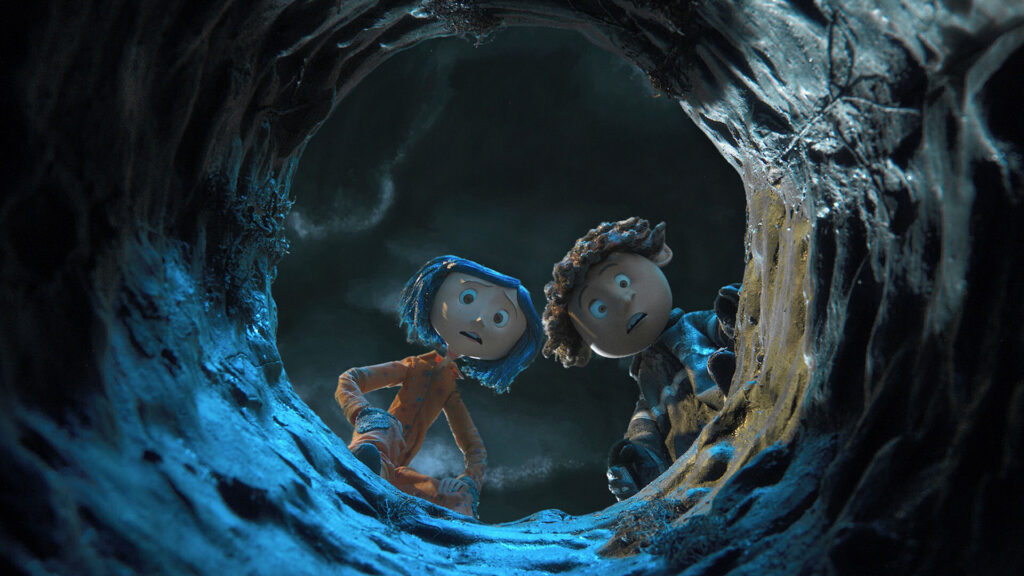
But what if everything you thought you knew about the end of Coraline was a lie? What if the answer isn’t that she’s still trapped, but something far more unsettling? We’ve been led to believe the story ends at the door, but I’m going to show you why that’s wrong. The real ending, the one that suggests the Beldam’s influence isn’t completely gone, happens right here, at the well. And by the end of this, you’ll see the horrifying truth hidden in the film’s final ninety seconds. The truth isn’t that Coraline lost. The truth is that she didn’t completely win.
Deconstructing the “Never Escaped” Theory
Before we get to the well, we have to talk about the elephant in the room: the very popular and, let’s admit, compelling theory that Coraline is still trapped in the Other World. People who believe this point to a few key details. First, there’s how the Other World works. Every time Coraline goes to sleep there, she just wakes up in her own bed. She never actually uses the portal to go home until the very end, which makes some people think each “awakening” is just the Beldam pulling her deeper into the trick.
Then you have the garden party at the end. Coraline’s parents, who were neglectful and buried in work, are suddenly fun and attentive. The neighbors are happy, the garden is gorgeous, and everything feels… perfect. Almost too perfect. It feels a lot like one of the Beldam’s fake creations, just a better-designed trap to keep Coraline happy and clueless. The last piece of “evidence” is the cat. In the movie’s final moments, the cat hops onto the Pink Palace sign and then just… vanishes. Since the cat’s magic seems tied to the Other World, a lot of people see its disappearance as a final wink from the Beldam, a sign that this “real world” is still playing by her rules.
These are all valid points that add to the movie’s creepy, lingering feeling. The film is meant to leave you feeling uneasy. But these details aren’t proof she’s trapped. They’re proof of something else. To find the real answer, we have to look past the dream-like feelings and focus on the hard, physical evidence in the film’s last few minutes. The story doesn’t end with a dream; it ends with a fight.
The Proof of Escape: The Hand and the Key
The real climax of Coraline’s story doesn’t happen when she slams the door. It happens after. Let’s rewind. Coraline tricks the Beldam, grabs the snow globe with her parents inside, and throws the Cat at the Beldam’s face, who claws off her button eyes. She scrambles back through the portal, which is now a disgusting, spider-web mess, and with one last push, she slams the door shut, cutting off the Beldam’s right hand in the process.
This one moment is the biggest piece of evidence that she is, in fact, back in the real world. The hand is now a separate, physical thing. It’s a piece of the Other World that has violently crossed into ours. It’s not a hallucination or a dream. It’s a real, tangible threat.
The ghost children even warn her about it, telling her the Beldam will try to get the key back. Coraline knows the severed hand is coming for it. And what does the hand want? The key. The key is everything; it’s the object that connects the two worlds. As long as the hand is in the real world and the key exists, the portal can be reopened. The Beldam isn’t trying to keep up an illusion anymore; she’s trying to break back into reality.
This leads to the frantic chase and the final showdown at the old well. Coraline comes up with a plan to lure the hand with the key. She’s not trying to wake up from a dream; she’s setting a physical trap. The struggle that happens next isn’t ambiguous. The hand attacks her, all sharp and metallic. It grabs the key, and it’s only when Wybie shows up, crushing the hand with a heavy rock, that she’s saved. This isn’t dream logic. This is cause and effect. It’s a physical fight with a physical enemy, and she’s saved by a physical friend. Wybie’s presence here is huge. A character who was literally silenced in the Other World is now a key player in beating the Beldam’s lingering power.
The Well as the Final Lock
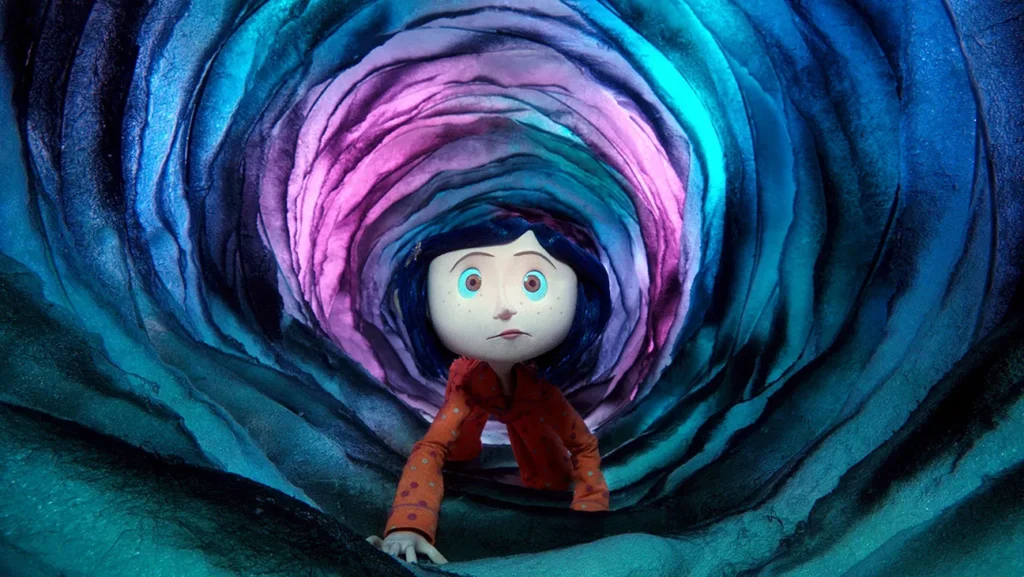
So, Coraline and Wybie have defeated the hand. It’s smashed and twitching, but the threat isn’t totally gone. The key is still there. And this brings us to the true ending of the film. The movie doesn’t wrap up with Coraline safe inside her house. It concludes with her and Wybie at the old well, a place that has its own mysterious reputation.
From the start of the movie, the well is important. Wybie tells Coraline it’s so deep that if you fell in and looked up, you’d see a sky full of stars in the daytime. A description that sounds eerily like the permanent night of the Other World. Some fan theories even suggest the well is a second portal. This idea is fueled by the ring of mushrooms around it, a “fairy ring,” which in folklore are sometimes seen as gateways to other worlds.
But the film’s final moments suggest the well has a different purpose. Coraline doesn’t use it as an entrance. She uses it as a prison. The climax isn’t about escape; it’s about containment. She takes the key which is the object that started this whole nightmare, wraps it in a blanket with the broken pieces of the hand, and drops it all into the deep, dark well. The well becomes the final lock. The door is closed, but now the key and a piece of the Beldam are sealed away in another mysterious spot in her world.
This is the key shift in understanding the ending. The story doesn’t end with the destruction of the Beldam, but with the containment of her power. The door isn’t the focus anymore; the well is. The threat has been moved from a magical door in her house to a physical place out in the real world. Coraline didn’t erase the evil; she just put it in a box and buried it. And that’s a much more unsettling, and realistic, way to end it.
A World of Lingering Shadows
This brings us back to those final scenes that feel “off.” If she really escaped, why does the garden party feel so perfect? And why does the cat disappear?
The most likely answer is that Coraline herself has changed. Her journey gave her a new appreciation for the real world, flaws and all. The garden party isn’t a perfect illusion; it’s a celebration of a community she finally feels like she’s a part of. Her parents aren’t magically “fixed”; they’re just making an effort, and more importantly, Coraline is now making an effort with them. She learned the lesson the Beldam’s world was trying to teach her in the most twisted way: appreciate the messy, imperfect, but real love of your actual family.
And the cat? The cat has always been a guardian, a creature that walks between worlds but isn’t owned by them. It guided her, gave her cryptic advice, and was a key part of her escape. In the last scene, the cat hops on the Pink Palace sign, gives one last look, and vanishes. A popular interpretation is that its job is done. Coraline doesn’t need a supernatural guide anymore because she’s found her own strength. Its disappearance isn’t a sign that the world is fake; you could see it as a sign that the magical emergency is over. He showed up to help with the crisis, and now that the crisis is contained, he moves on.
The ending of Coraline is not a simple, clean victory. The Beldam is weakened and trapped in her crumbling world, but her ultimate fate is left uncertain. The key isn’t destroyed, just hidden away. The film deliberately leaves these threads dangling to create that feeling of lingering dread. Coraline is safe, for now. She won her freedom with her own wit and courage. But the evil was never truly erased. It was just locked away, deep in a well, waiting.
Conclusion
So, the next time you watch Coraline, pay close attention to where the story really finds its end. It isn’t with the triumphant slam of a little door. It’s in the quiet, tense moments at an old, forgotten well, where a girl has to take the pieces of her nightmare and seal them in the dark. The evidence strongly suggests that Coraline absolutely escaped the Other World. But the film also makes it horrifyingly clear that the Beldam’s threat isn’t necessarily gone for good—it’s just contained. The real ending isn’t about closing one portal, but about creating a new, watery prison for the key that could open it all over again. Coraline is free, but she’ll always live in a world where she knows the lock to her nightmare is just sleeping down the path.
What do you think? Is the well a permanent prison for the Beldam’s hand, or just a temporary setback? Let me know your theories in the comments below. And if there’s another movie mystery you want me to unravel, tell me about it.