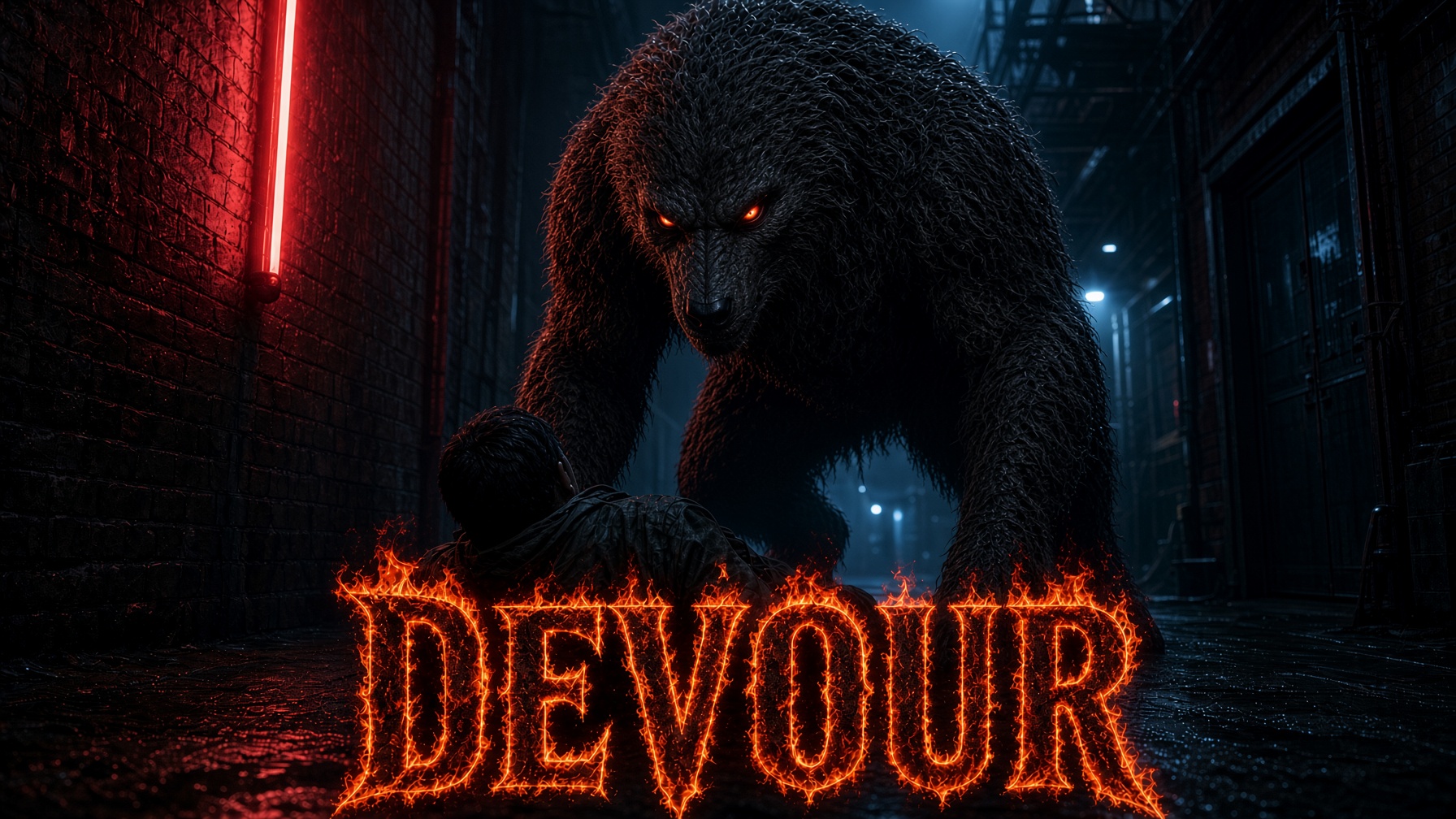
An all-female death-metal band called the Virginia Bitches, vampires by nature, break down on a desolate road and find themselves trapped in a remote town ruled by a warlock and thick with cannibals. What unfolds is a night of practical-effect carnage that tries to fuse occult horror, creature mayhem, and heavy-metal velocity. Hansen, previously known for the anthology Bad Candy, has described the film as sitting between Near Dark and From Dusk Till Dawn, shot through with a Deathgasm-style energy. The ambition is clear; the result is more fragmented than the premise suggests.
The opening is the film’s most confident stretch. A Civil War sequence arrives with striking imagery and a mythic weight that briefly feels like it might frame everything that follows. The practical gore and creature work that dominate the rest of the picture are frequently visceral and tactile, sequences that clearly pushed the effects team hard and that, for many viewers, supply the film’s most reliable pleasures. The band’s music lands cleanly within the current female-fronted extreme-metal scene, and the four women themselves each carry distinct personalities and comic edges that keep stretches of the film lively.
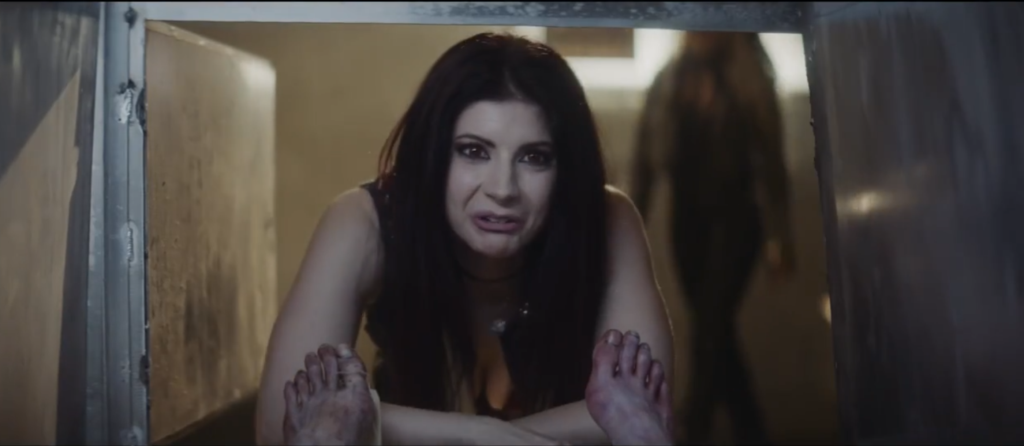
Those strengths, however, sit inside a structure that never fully settles. Viewers have noted that the film often feels like several different movies sharing a title, vampire road story, occult siege, creature showcase, and a late-arriving hunter thread, without a strong enough through-line to bind them. The band members’ histories remain largely suggestive rather than developed, even though each has a clear on-screen quirk. Supporting figures fare similarly. Dylan provides some of the film’s sharpest comedy, yet his eventual transformation into a vampire undercuts the very energy that made him effective. One band member tied to Lilith is dispatched by a minotaur with almost no setup, and another (the redhead) exits with comparable abruptness; both moments prioritize sudden brutality over narrative preparation. Van Helsing appears late and is motivated, in the telling, largely by money it would seem, a choice that feels arbitrary rather than thematically pointed. The ending arrives disjointed, as if unfinished threads were simply brought to a stop.
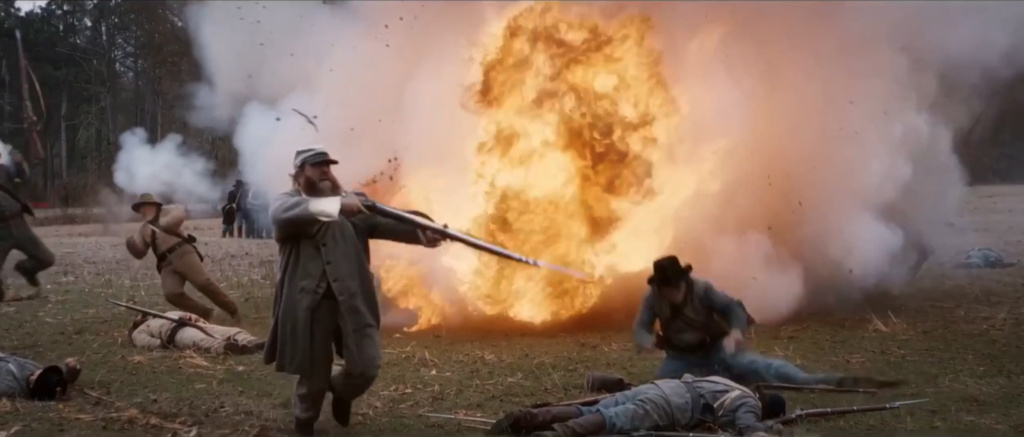
Hansen addresses several of these choices directly in the accompanying video interview. He discusses how he intended the Civil War prologue to frame the modern story and whether that purpose shifted in the edit; whether the film’s layering of multiple tones and subplots was deliberate or emerged during assembly, and if he wishes a clearer through-line had been stronger; whether fuller backstories for the four women were written and trimmed or always meant to stay suggestive; how he weighs the desire for sudden, brutal impact against the risk that certain character exits (including the Lilith-linked death and the redhead’s) will read as arbitrary; the narrative purpose behind Dylan’s turn into a vampire and whether keeping him human was considered; which practical-effects sequences pushed the team hardest and what had to be simplified or cut; and where the influences of Near Dark, From Dusk Till Dawn, and metal-horror energy created the most friction, and how those tensions were resolved in the final cut.
What remains on screen is a film of genuine affection for practical gore, metal-horror chaos, and creature spectacle. Individual sequences deliver the blood and spectacle the premise promises. What Devour lacks is the connective tissue, character history, clearer stakes, and a firmer sense of which story it ultimately wants to tell, that would turn those sequences into a unified night of mayhem rather than a collection of them. Fans of low-budget creature features and extreme-metal aesthetics will find material worth seeing; others may finish the film feeling that several promising ideas were left underdeveloped beneath the gore. The director’s answers in the accompanying video offer additional context for how those choices were made.